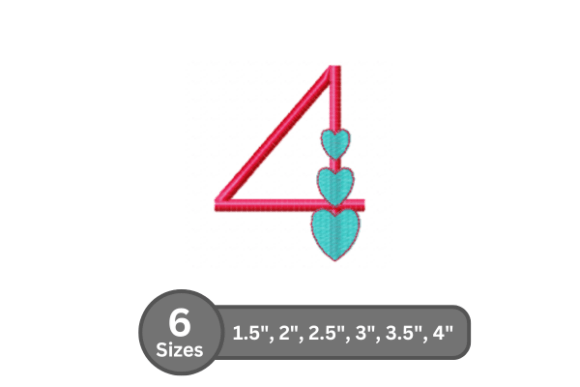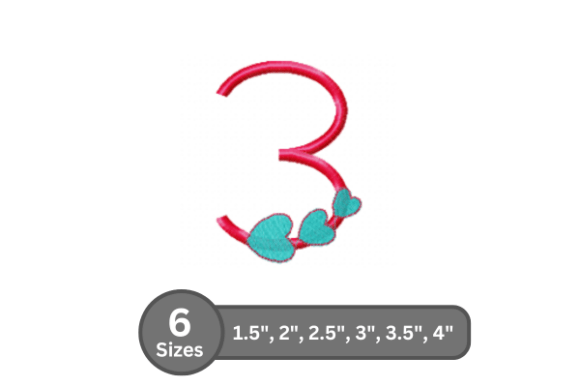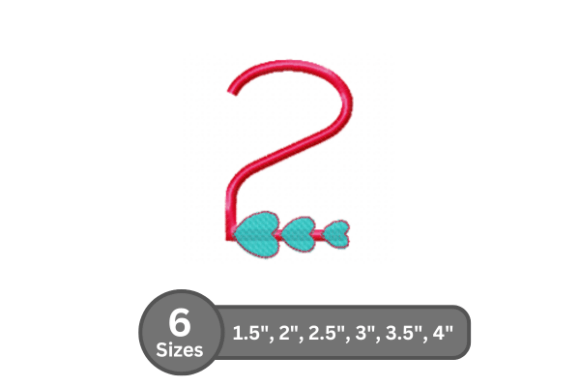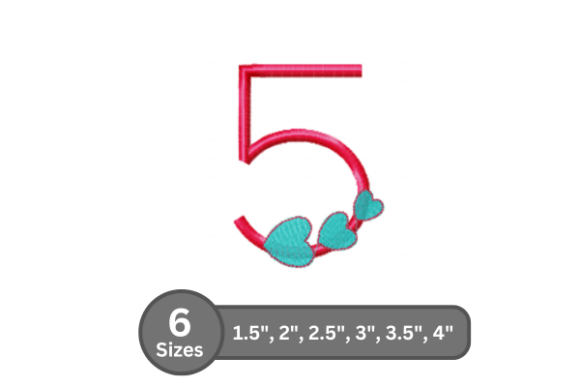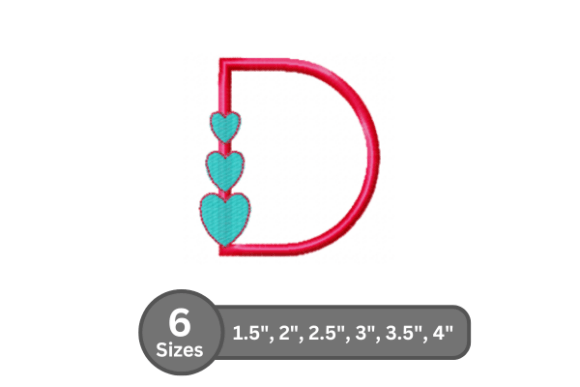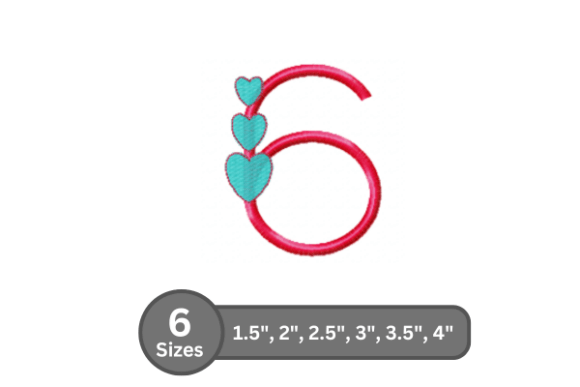
Candy Heart Number -6: A Guide to Professional Fill Stitch Embroidery
Embroidery is an art form where the difference between a professional finish and a frustrating mess often comes down to the quality of your digitization. When you are looking for a font that balances charm with structural integrity, Candy Heart Number -6 stands out as a reliable choice. This specific design is not just a graphic; it is a carefully engineered fill stitch embroidery font designed specifically for smooth stitching and consistent results on modern machines. Whether you are personalizing clothing, embellishing bags, or adding custom touches to home décor, understanding how to utilize this resource correctly is essential for maintaining high standards in your work.
Understanding the Value of Careful Digitization
The appeal of Candy Heart Number -6 lies in its construction. Unlike standard text fonts converted haphazardly into stitch files, this alphabet has been meticulously digitized to handle the complexities of fill stitches. In the world of machine embroidery, a fill stitch requires precise underlay and pull compensation to prevent puckering, floating threads, or gaps in the coverage. Many creators overlook this technical nuance, assuming any downloadable font will look good once stitched. However, poor digitization can ruin even the most expensive fabric and thread.
This font addresses those concerns by offering a classic, bold stitched look that holds up well across various materials. Because each letter comes in multiple sizes, it provides the versatility needed for everything from tiny monograms on handkerchiews to large names on tote bags. The design ensures that the iconic "candy heart" aesthetic remains legible and attractive, regardless of the scale of your project. For entrepreneurs and small business owners, this consistency is vital for brand perception and customer satisfaction.
Common Pitfalls When Choosing Embroidery Fonts
Even experienced embroiderers can fall into traps when selecting new designs. One of the most frequent mistakes is prioritizing visual appearance on a screen over the actual stitch count and density. A font might look perfect in a preview image, but if the digitization is too dense for the chosen fabric, it can cause severe puckering. Conversely, if the density is too low, the fill may appear patchy, revealing the base material underneath. With Candy Heart Number -6, the digitization is optimized to balance these factors, but users must still apply it correctly.
Another common misunderstanding involves the assumption that all fonts are universally compatible. Some free or low-quality downloads are created for specific machine brands and fail when imported into others, leading to error messages or distorted stitching paths. It is crucial to verify file formats before purchase. Additionally, many hobbyists neglect to test their designs on a scrap piece of the same fabric they intend to use for the final product. Skipping this step can lead to wasted time, thread, and materials, especially when working with delicate items like towels or stretchy clothing.
How Poor Choices Impact Your Projects
The consequences of using poorly digitized fonts extend beyond a single ruined item. For professionals, inconsistent quality damages reputation and leads to client dissatisfaction. If a monogram on a wedding guest towel looks uneven or the letters are misaligned, the perceived value of the entire service drops. Furthermore, inefficient stitch files can increase production time. A font with unnecessary jumps or excessive trims slows down the machine, reducing overall efficiency and profitability for small businesses.
In terms of presentation, a bad digitization job can make a simple name look amateurish. Gaps in the fill stitch, jagged edges, or thread breakage due to improper tension settings caused by the design can detract from the intended message. For creative lettering projects, clarity is key. If the details of the Candy Heart style are lost because the digitization was too complex for the needle size used, the final result fails to communicate the playful, bold vibe the designer intended.
Practical Strategies for Success
To avoid these issues and maximize the potential of Candy Heart Number -6, start by evaluating your equipment and materials. Ensure your embroidery machine is capable of handling the stitch count associated with the font size you have selected. While this font is designed for smooth stitching, pushing a smaller machine to its absolute limit with very large text can still cause mechanical stress. Always check the recommended hoop size and stabilize your fabric adequately. Using the wrong stabilizer is a primary cause of distortion, regardless of how good the font is.
Before committing to a final garment, perform a test run. Stitch the largest and smallest available sizes of the font on a scrap piece of your target material. Examine the back of the stitching for loose threads and the front for even coverage. This step allows you to adjust tension or change stabilizers without risking your finished product. For example, if you are embroidering on a heavy canvas bag, you might need a cut-away stabilizer, whereas a light cotton shirt would require a tear-away option. Adapting your approach based on the fabric ensures the bold look of the font shines through.
Evaluating Quality Before You Buy
When considering Candy Heart Number -6 or any similar embroidery asset, look for indicators of professional digitization. High-quality listings will provide detailed information about stitch counts, dimensions, and supported file formats. They should also offer previews that show the stitch order and underlay structure, not just a flat image. Avoid sources that do not specify the compatibility of their fonts or lack clear return policies if the file does not work as advertised.
Furthermore, consider the versatility of the design. Since this font includes multiple sizes, it is particularly valuable for creating cohesive collections. Imagine a line of personalized towels where the family name is stitched in a large format, while individual initials are embroidered in a smaller version of the same style. This consistency elevates the aesthetic of home décor and gifts. By choosing a font that offers scalability, you streamline your workflow and maintain a unified visual identity across different products.
Final Thoughts on Professional Results
Success in machine embroidery relies on the synergy between skilled technique and high-quality resources. Candy Heart Number -6 offers a robust solution for those seeking a classic, bold look without compromising on stitch quality. By avoiding common mistakes like skipping test runs, ignoring stabilizer needs, or overlooking file compatibility, you can ensure that every project meets professional standards. Remember, the goal is not just to add text to fabric, but to create a durable, beautiful addition that enhances the item's value. With careful planning and the right tools, your embroidery projects will stand out for their precision and charm.