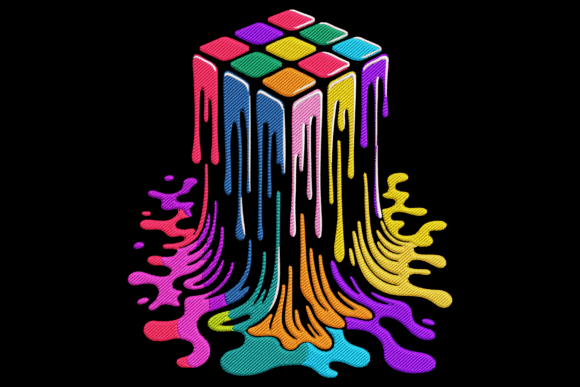
Melting Rainbow Cube: A Vibrant Addition to Your Embroidery Workflow
In the world of textile customization and machine embroidery, finding a design that balances visual impact with technical reliability is often the primary challenge for creators. The Melting Rainbow Cube emerges as a distinct solution for those looking to inject personality into standard fabric projects. This design is not merely a decorative element; it represents a specific aesthetic choice that can elevate basic items into unique, statement pieces. Whether you are managing a small custom apparel business, running a home decor studio, or simply engaging in a personal crafting routine, understanding how to integrate this specific motif into your production process is essential for maximizing its potential.
Understanding the Design and Its Visual Impact
The Melting Rainbow Cube is characterized by its playful geometry and fluid color transitions. Unlike rigid geometric patterns that can sometimes feel sterile on soft fabrics, this design mimics the organic flow of melting material while maintaining the structural integrity of a cube. This duality makes it particularly effective for modernizing traditional textiles. When applied to a plain t-shirt or a neutral-toned towel, the design immediately draws the eye, offering a focal point that suggests creativity and fun without overwhelming the garment.
From a workflow perspective, this design fits into the "conceptualization" phase of any embroidery project. Before purchasing materials or setting up machines, creators must decide on the narrative they want their product to convey. If the goal is to appeal to a younger demographic, add a quirky flair to corporate swag, or simply refresh home linens, the Melting Rainbow Cube serves as an excellent anchor. It bridges the gap between abstract art and functional decoration, making it versatile enough for various contexts ranging from educational settings to boutique retail environments.
Integrating the Design into Production Workflows
Successfully utilizing the Melting Rainbow Cube requires a structured approach to preparation, execution, and finishing. For professionals and hobbyists alike, the integration process begins well before the needle touches the fabric. It starts with asset management and file compatibility. Since this design is available in multiple embroidery file formats, ensuring that your specific machine software recognizes the file structure is the first critical step. Most modern embroidery machines support standard formats like .PES, .DST, .JEF, and .EXP, but verifying this compatibility prevents costly errors during the stitching phase.
Pre-Production Planning and Fabric Selection
Before initiating the stitching process, consider the substrate. The fluid nature of the "melting" effect works exceptionally well on cotton blends, towels, and canvas. However, the density of the stitches in the rainbow gradient sections requires careful stabilization. For professionals producing bulk orders, testing the design on a scrap piece of the intended fabric is non-negotiable. This test run allows you to adjust hoop tension, thread tension, and stabilizer type. Without this preliminary check, the vibrant colors might pucker the fabric, or the intricate details of the cube could become indistinct.
Organize your workspace by grouping threads according to the color sequence required by the Melting Rainbow Cube. Efficient thread management reduces machine downtime caused by frequent color changes. If you are using a multi-needle machine, pre-loading the needles with the specific shades of red, orange, yellow, green, blue, and purple ensures a smooth, uninterrupted workflow. For single-needle operators, planning the order of production runs to minimize color switching can significantly increase daily output.
Execution and Machine Setup
During the actual embroidery phase, the focus shifts to precision and consistency. Load the correct file format into your machine's interface. Because the design features gradients and overlapping elements, the stitch count and direction are vital for achieving the intended 3D illusion. Ensure the hoop is tight enough to prevent shifting but not so tight that it distorts the fabric weave. As the machine begins to stitch the cube, monitor the first few rows closely. The transition between colors should be crisp, avoiding any bleeding or skipped stitches that could mar the rainbow effect.
For those integrating this design into a broader creative process, such as creating a collection of matching home decor items, consistency is key. Use the same settings, stabilizers, and thread brands across all items to ensure that every towel or pillowcase looks identical. This attention to detail is what separates amateur efforts from professional-grade products. The Melting Rainbow Cube, when executed correctly, offers a high degree of visual satisfaction that justifies the time invested in setup and quality control.
Use Cases Across Different Sectors
The versatility of this embroidery design allows it to fit seamlessly into various business models and personal projects. In the realm of small business ownership, adding this design to blank inventory can differentiate your brand in a crowded market. Custom t-shirts featuring the Melting Rainbow Cube can serve as limited-edition drops for streetwear brands or as unique merchandise for events and conferences. The quirky nature of the design appeals to consumers looking for individuality, making it a strong selling point for entrepreneurs targeting the 20–50 age demographic.
For educators and bloggers, this design can be used to create branded materials that stand out. Embroidering the motif onto tote bags, aprons, or notebooks adds a tactile, personalized touch that printed graphics cannot replicate. It signals a commitment to quality and craftsmanship. Similarly, freelancers and designers can offer this as a premium add-on service. By including the Melting Rainbow Cube in their portfolio of available designs, they expand their service offerings without needing to invest time in creating new digital assets from scratch.
In home decor, the application is equally effective. Towels, bath mats, and throw pillows transformed with this design bring a pop of color to bathrooms and living spaces. The durability of machine embroidery ensures that the design withstands repeated washing, making it a practical long-term investment for homeowners. The ability to update existing fabrics with a charming new look aligns perfectly with sustainable practices, reducing the need to purchase entirely new items.
Optimizing Efficiency and Quality Control
To maximize the value of the Melting Rainbow Cube, creators must adopt a mindset focused on efficiency and continuous improvement. One practical tip is to maintain a library of tested settings for different fabric types. Documenting the exact stabilizer weight, hoop size, and thread tension that produced the best results for a specific project creates a reference guide for future work. This documentation streamlines the planning phase, allowing you to move quickly from concept to execution.
Furthermore, organizing your digital files is crucial for long-term usability. Store the various file formats of the Melting Rainbow Cube in a clearly labeled directory within your cloud storage or local drive. This ensures that if you switch machines or collaborate with other embroiderers, the necessary assets are immediately accessible. Consistency in file management reduces friction in the workflow and minimizes the risk of losing valuable design data.
Quality control extends beyond the stitching itself. After the design is completed, inspect the finished product for loose threads, uneven tension, or color mismatches. Trimming excess threads carefully preserves the clean lines of the cube. For businesses, implementing a final inspection checklist ensures that every item leaving the workshop meets high standards. This commitment to quality builds trust with customers and reinforces the reputation of the creator or brand.
Long-Term Integration and Future Projects
As you incorporate the Melting Rainbow Cube into your regular routine, consider how it interacts with other tools and resources in your ecosystem. Can it be combined with other motifs to create larger, more complex compositions? Does it pair well with specific typography styles for text-based projects? Exploring these combinations can lead to innovative product lines and fresh creative directions. The design acts as a modular component that can be adapted to fit evolving trends and customer preferences.
Ultimately, the value of the Melting Rainbow Cube lies in its ability to transform ordinary fabrics into extraordinary items through a reliable, repeatable process. By focusing on preparation, compatibility, and precise execution, you can leverage this design to enhance your productivity and creative output. Whether you are fulfilling a single custom order or scaling up for a seasonal collection, the principles of planning and implementation remain constant. Embracing these practices ensures that your embroidery projects are not only visually appealing but also professionally executed, delivering lasting value to both the creator and the end user.