Senior Class of 2026 Embroidery: A Practical Guide to Design Selection and Application
As the graduation season approaches, families and organizations often turn to personalized keepsakes to commemorate the milestone. The Senior Class of 2026 Embroidery design has emerged as a popular choice for those seeking a durable and charming alternative to printed apparel or standard decals. Unlike temporary screen prints that may crack over time, embroidery offers a tactile quality that elevates the perceived value of the item. This specific design category blends whimsical elements with clear, legible typography, making it suitable for a wide range of fabrics including heavy cottons, towels, and home decor items.
However, selecting the right digital pattern requires more than just finding an image you like. It involves understanding file formats, machine compatibility, and the specific tradeoffs between different styles of commemorative designs. For adults aged 20 to 50 who are either crafting gifts for younger relatives or managing group orders for schools, evaluating these factors is essential to ensuring a successful project.
Defining the Senior Class of 2026 Embroidery Style
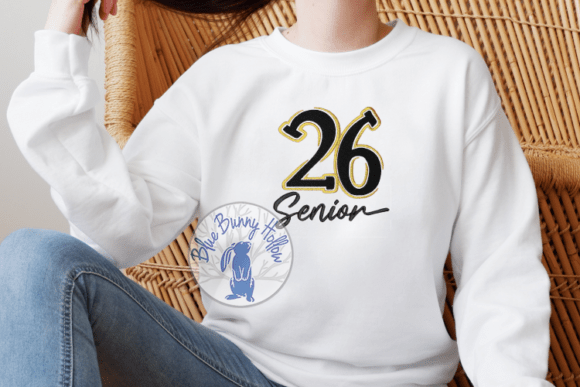
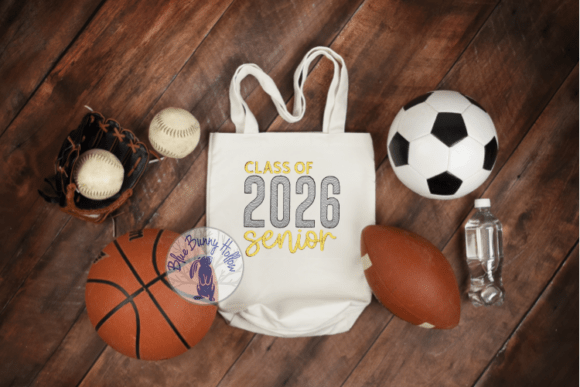
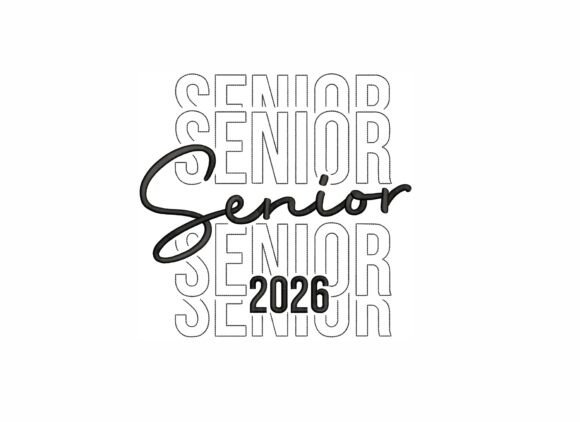
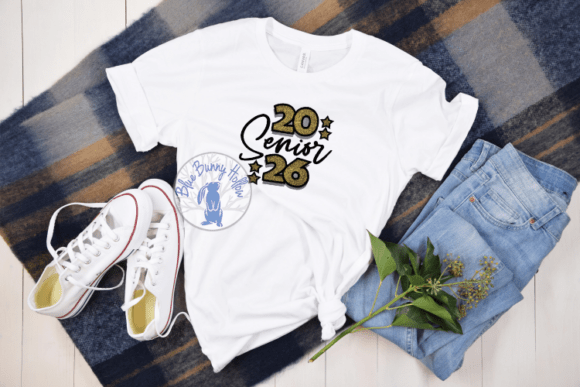
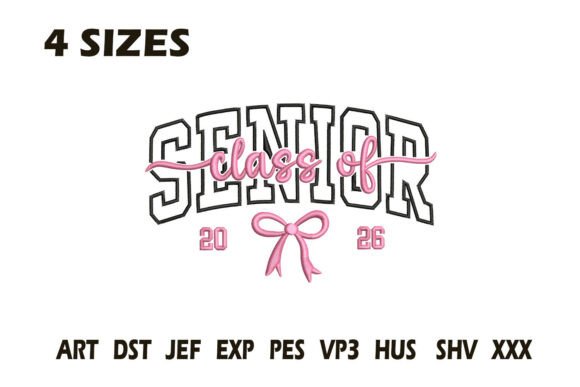
The Senior Class of 2026 Embroidery design is distinct in its approach to balancing text and imagery. While many graduation designs rely heavily on bold, block letters, this style incorporates playful motifs—such as floral wreaths, academic caps with whimsical details, or abstract geometric patterns—that soften the look. This "whimsical touch" is particularly effective when applied to casual items like t-shirts or cozy home goods like throw pillows.
What sets this design apart is its versatility across different textures. A dense, solid-fill design might struggle on a textured towel, but the outlined and satin-stitch techniques often found in this specific class design allow the thread to lay flat against loops and weaves without puckering. Furthermore, the inclusion of multiple file formats ensures that the design can be adapted for various hoop sizes and machine capabilities, a critical feature for users working with both hobbyist and industrial equipment.
File Formats and Machine Compatibility
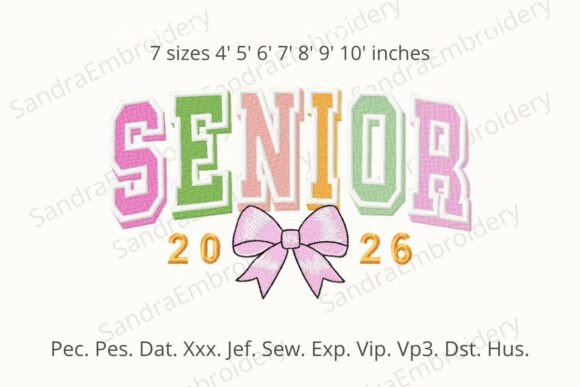
One of the most significant advantages of purchasing a high-quality Senior Class of 2026 Embroidery package is the inclusion of diverse file formats. Digital embroidery machines do not speak a universal language; a design saved for a Brother machine will not automatically work on a Janome or a Bernina. Therefore, a comprehensive design file typically includes formats such as .PES, .DST, .JEF, .EXP, and .XXX.
- .PES: Commonly used by Brother and Babylock machines.
- .DST: The industry standard for Tajima machines and widely supported by commercial units.
- .JEF: Specific to Janome and some older Elna models.
- .EXP: Utilized by Husqvarna Viking and Pfaff machines.
When evaluating a design resource, checking for this variety is a primary decision factor. If a seller only provides one format, you may need to invest in conversion software, which introduces the risk of stitch errors or misaligned lettering. The Senior Class of 2026 Embroidery designs that offer multi-format support eliminate this friction, allowing you to focus on the creative aspect of the project rather than technical troubleshooting.
Comparing Embroidery to Alternative Commemorative Methods
Before committing to an embroidery project, it is helpful to compare this method with other common ways to mark senior year apparel. The three main alternatives are screen printing, heat transfer vinyl (HTV), and direct-to-garment (DTG) printing. Each has its place, but they differ significantly in longevity, texture, and cost-efficiency depending on the volume of production.
Durability and Texture
Screen printing is excellent for large batches of identical shirts, offering a smooth finish at a low per-unit cost. However, the ink sits on top of the fabric and can eventually crack or fade after repeated washing. In contrast, Senior Class of 2026 Embroidery stitches into the fabric itself. This integration means the design becomes part of the garment's structure. Over time, embroidered items often look better with age, developing a vintage charm rather than showing wear.
Heat transfer vinyl is another popular option for small runs because it is easy to apply with a household iron or heat press. While HTV offers vibrant colors, it can feel stiff and plastic-like against the skin. For items intended for comfort, such as bath towels or hoodies, the raised, soft texture of embroidery is generally preferred. The whimsical nature of the 2026 design benefits from this texture, adding depth that flat vinyl cannot replicate.
Cost and Time Considerations
The tradeoff for embroidery is the time required for production. Stitching a single design can take anywhere from five to twenty minutes depending on the stitch count and density. Screen printing or DTG is faster once the setup is complete. If you need to produce fifty identical t-shirts in a single afternoon, embroidery may not be the most efficient route unless you have access to a multi-head commercial machine.
However, for personalized gifts where each name or minor detail differs, embroidery shines. You can easily digitize the name field within the Senior Class of 2026 Embroidery template to create unique pieces without the high setup costs associated with custom screen printing plates. This makes it an ideal middle ground for parents creating individual gifts for their children or teachers preparing awards for a classroom.
Evaluating Fabric Choices and Placement
The success of any embroidery project hinges on the relationship between the design, the stabilizer, and the base fabric. The Senior Class of 2026 Embroidery design, with its playful lines and potential for dense fills, requires careful consideration of where it is placed.
T-Shirts and Hoodies: Cotton and cotton-polyester blends are the standard choices here. For these garments, the chest pocket area or the left breast is the traditional placement. However, the whimsical nature of this specific design also looks striking centered on the back of a hoodie or on the sleeve cuff. When stitching on stretchy knits, using a cut-away stabilizer is crucial to prevent the fabric from distorting under the tension of the needle.
Towels and Home Decor: Applying embroidery to looped fabrics like towels presents a unique challenge. The loops can catch the needle if the stabilizer is not robust enough. In these cases, the design should ideally be smaller to avoid excessive pulling. The Senior Class of 2026 Embroidery works well on washcloths or hand towels where the stitch density is lower. For home decor items like pillowcases, a tear-away stabilizer is often sufficient, provided the backing fabric is stable enough to hold the design without buckling.
It is also worth noting that dark fabrics require a water-soluble topping or a specific underlay strategy to ensure the bright threads of the design stand out. If you are planning to use this design on black denim or navy blue towels, test stitching on a scrap piece first to verify that the coverage is adequate.
Decision Factors: When to Choose This Design
Choosing the Senior Class of 2026 Embroidery design is a strategic decision based on your specific goals. It is the right choice when:
- Longevity is a priority: You want a keepsake that will survive years of washing and wearing without fading.
- Personalization is needed: You are creating unique items for individuals where names or specific details vary.
- Texture adds value: You are aiming for a premium, high-end look that distinguishes the gift from mass-produced options.
- Versatility is required: You plan to apply the design to various materials, from clothing to linens.
Conversely, you might consider alternative methods if:
- Bulk speed is critical: You need hundreds of identical items produced in a very short timeframe.
- Budget is extremely tight: While embroidery costs can be low for small quantities, the hourly labor cost of stitching can add up quickly compared to bulk printing.
- Complex gradients are desired: Embroidery struggles with photorealistic images or subtle color gradients that are easily achieved with DTG printing.
Final Thoughts on Selection
In the landscape of graduation memorabilia, the Senior Class of 2026 Embroidery offers a balanced solution that combines durability with aesthetic charm. By understanding the technical requirements regarding file formats and fabric stability, you can avoid common pitfalls and produce professional-grade results. Whether you are a seasoned crafter or a parent looking to create a meaningful gift, this design provides a flexible foundation for creativity. The key lies in matching the design's whimsical nature with the right application, ensuring that the final product stands the test of time as a cherished reminder of this significant milestone.