Bookish Line Art Embroidery Design: Elevating Textiles with Literary Whimsy
The intersection of literature and textile arts has long produced some of the most evocative visual narratives in craft history. From the intricate tapestries of medieval Europe to the modern patchwork quilts that tell family stories, fabric has always been a canvas for storytelling. Today, this tradition finds a fresh expression through the Bookish Line Art Embroidery Design. This specific aesthetic approach merges the minimalist elegance of line art with the cozy, intellectual charm of book-themed motifs. It is not merely a pattern; it is a method of infusing everyday objects with personality, transforming mundane fabrics into conversation starters that celebrate the joy of reading.
The Aesthetic Appeal of Minimalist Literary Motifs
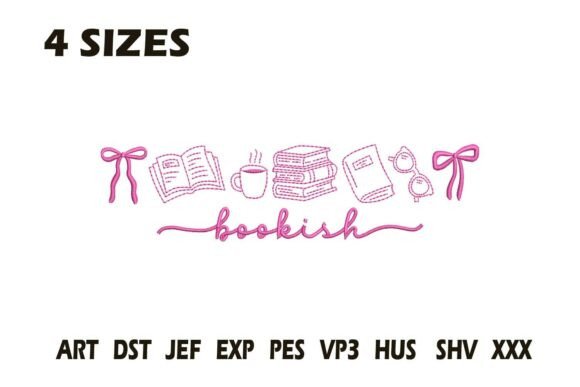
Line art, by definition, relies on continuous lines to define shapes and forms without the use of shading or gradients. When applied to embroidery, this technique offers a distinct visual clarity that stands out against various fabric textures. The Bookish Line Art Embroidery Design leverages this simplicity to create images that are instantly recognizable yet sophisticated. Common motifs include open books with flowing pages, stacks of novels, vintage lanterns, quill pens, and whimsical cats curled up beside reading nooks.
What makes this style particularly effective for machine embroidery is its adaptability. Unlike dense, fill-heavy designs that can stiffen fabric, line art maintains the natural drape and breathability of the material. This is crucial for items like t-shirts and towels, where comfort is paramount. The design uses precise stitch counts to outline the subject, often incorporating small details like page numbers or decorative borders within the lines themselves. This attention to detail ensures that even from a distance, the narrative of the design is clear, while up close, the craftsmanship reveals a delightful complexity.
Why Simplicity Resonates in Modern Decor
In an era dominated by maximalism and digital noise, there is a growing appreciation for clean, uncluttered aesthetics. The Bookish Line Art Embroidery Design taps into this desire for simplicity. It appeals to the "quiet luxury" trend in home decor, where understated elegance takes precedence over loud patterns. For the modern reader, displaying a subtle embroidered book motif on a throw pillow or a linen napkin signals a love for literature without shouting it. It creates a sense of curated intimacy, inviting others to appreciate the quiet moments of reading.
Furthermore, the versatility of line art allows it to blend seamlessly with various interior design styles. Whether a room is decorated in rustic farmhouse chic, modern industrial, or bohemian eclectic, a simple line drawing of a library stack or a classic novel fits naturally. The neutral nature of the lines means they can be stitched in any color thread, allowing the creator to match their existing palette perfectly. A navy blue line on cream linen offers a preppy academic look, while gold thread on black cotton provides a dramatic, high-contrast statement.
Practical Applications Across Various Textiles
The true value of a machine embroidery design lies in its utility. The Bookish Line Art Embroidery Design is engineered to perform well across a wide spectrum of materials, making it an invaluable asset for hobbyists and professionals alike. Its structure is optimized to prevent puckering on lightweight fabrics while remaining sturdy enough for heavier upholstery materials.
- T-Shirts and Apparel: Placing a small, delicate line art design on the left chest of a cotton tee creates a stylish, boutique look. It avoids the bulkiness of large prints, ensuring the shirt remains comfortable for daily wear. This is particularly popular among librarians, teachers, and book clubs who wish to express their passion subtly.
- Kitchen Linens: Towels, aprons, and table runners benefit immensely from this design style. The line art does not absorb excessive dye or become rough against the skin after repeated washing. Imagine a set of kitchen towels featuring a simple outline of a teacup and a book, adding a touch of literary warmth to the culinary space.
- Home Decor Accents: Beyond clothing, these designs excel on home goods. Embroidering a whimsical cat reading a book onto a cushion cover can transform a plain sofa into a focal point. The durability of the stitching ensures that these items withstand the rigors of daily life while maintaining their aesthetic appeal.
- Gift Items: For business owners creating custom gifts, the ability to personalize these designs is key. Adding a name or a favorite quote alongside the line art creates a unique, heartfelt present that feels far more personal than a mass-produced item.
Adapting to Different Fabric Weaves
One of the technical strengths of the Bookish Line Art Embroidery Design is its compatibility with different fabric weaves. On smooth cotton, the lines appear crisp and sharp. On textured wool or linen, the stitches settle into the weave, giving the design a slightly softer, more organic feel. This adaptability reduces the need for extensive stabilizer testing, saving time for both professional embroiderers and home enthusiasts. The design files typically include settings that account for slight variations in fabric tension, ensuring consistent results regardless of the substrate.
Technical Considerations for Machine Embroidery
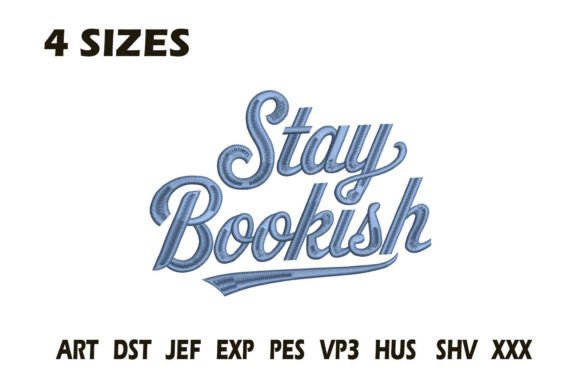
For those looking to implement this design in a production environment or a home studio, understanding the file formats and machine requirements is essential. The Bookish Line Art Embroidery Design is distributed in multiple industry-standard formats, including PES, DST, JEF, XXX, and VIP. This multi-format availability ensures compatibility with major embroidery machine brands such as Brother, Janome, Bernina, Husqvarna Viking, and Tajima.
The conversion of vector line art into stitch files requires careful consideration of stitch density and pull compensation. In line art embroidery, the risk of thread breakage is higher if the stitch count is too low, while too many stitches can cause the fabric to pucker. Professional digitizers address this by using satin columns and carefully calculated underlay stitches that secure the top thread without distorting the fabric. The result is a design that looks hand-drawn but possesses the durability of machine work.
Optimizing Thread Choices for Longevity
While the design itself is versatile, the choice of thread plays a significant role in the final outcome. Polyester threads are generally recommended for their strength and resistance to fading, making them ideal for items that will be washed frequently, such as towels and t-shirts. Rayon threads offer a lustrous sheen that enhances the visual impact of the line art, particularly on darker fabrics. For home decor items that require less frequent washing, cotton threads provide a matte finish that complements the rustic charm of the bookish theme. Understanding these material interactions allows creators to tailor the Bookish Line Art Embroidery Design to the specific needs of their project.
Empowering Creators and Small Businesses
The rise of the maker movement has democratized access to professional-grade tools, and digital embroidery designs are at the forefront of this shift. For small business owners, educators, and independent artists, the Bookish Line Art Embroidery Design represents a low-risk, high-reward opportunity to expand product lines. Unlike physical inventory, digital files can be purchased once and used indefinitely, allowing for scalable production without upfront manufacturing costs.
Educators in art and design programs can utilize these designs to teach students about digitization, fabric selection, and the principles of negative space. By analyzing how a simple line translates into thousands of individual stitches, students gain a deeper understanding of the relationship between digital art and physical craft. Furthermore, researchers studying the evolution of craft technology can observe how modern software interprets traditional artistic styles, preserving cultural motifs in a new medium.
Building a Brand Around Niche Interests
For entrepreneurs targeting the "book lover" demographic, this design offers a powerful branding tool. Bookstores, libraries, and literary festivals often seek unique merchandise that resonates with their audience. A tote bag featuring a stylized line art library or a scarf with a subtle book spine pattern can serve as both a functional item and a brand ambassador. The playful yet sophisticated nature of the Bookish Line Art Embroidery Design aligns perfectly with the values of these communities, fostering a sense of belonging and shared identity.
Moreover, the ability to customize the design allows businesses to create limited edition collections. Seasonal variations, such as adding autumn leaves around a book or snowflakes near a winter read, keep the product line fresh and encourage repeat purchases. This flexibility is a significant advantage in a competitive market where differentiation is key.
Cultivating a Community Through Shared Passion
Beyond the technical and commercial aspects, the Bookish Line Art Embroidery Design serves as a connector. It brings together individuals who share a love for reading and crafting. Online communities dedicated to embroidery often feature showcases of these designs, where members exchange tips on hoop placement, thread colors, and fabric choices. This collaborative spirit enriches the creative process, turning a solitary activity into a shared experience.
When someone wears a t-shirt with an embroidered book motif, it acts as a beacon, signaling to fellow readers that they are part of a larger tribe. Similarly, a home decorated with these textiles invites guests into a space that values knowledge and imagination. The design transcends its function as mere decoration, becoming a symbol of intellectual curiosity and creative expression.
Future Trends in Textile Storytelling
As technology advances, the possibilities for integrating line art into textiles continue to expand. Innovations in smart fabrics and conductive threads may one day allow embroidered designs to interact with digital devices, perhaps lighting up when a book is opened nearby. However, the core appeal of the Bookish Line Art Embroidery Design remains rooted in its timeless simplicity. It captures the essence of the written word in a tactile, enduring form, ensuring that the story continues to be told, one stitch at a time.
Whether you are a seasoned professional looking to diversify your portfolio or a hobbyist eager to add a touch of whimsy to your home, this design offers a versatile and engaging solution. It bridges the gap between the digital and the physical, the literary and the tactile, proving that even the simplest lines can carry profound meaning. By embracing this playful embroidery style, creators can bring a bit of charm to their fabrics and inspire others to see the world through the lens of a storyteller.