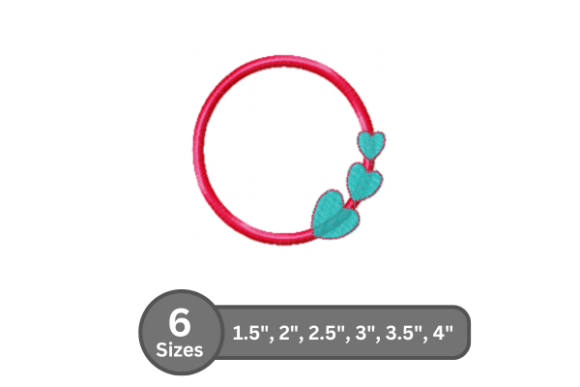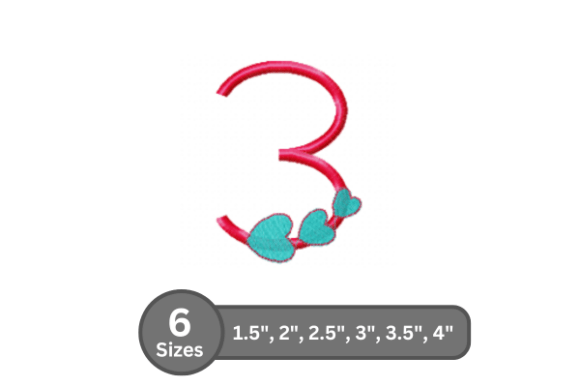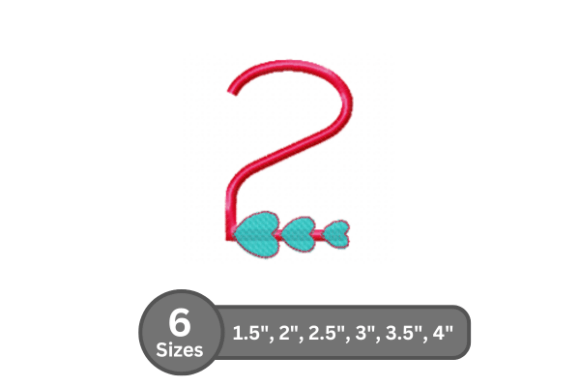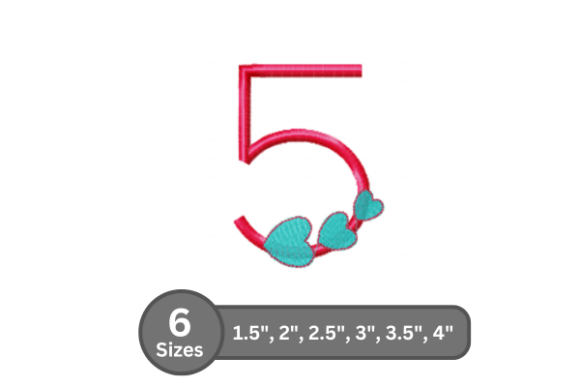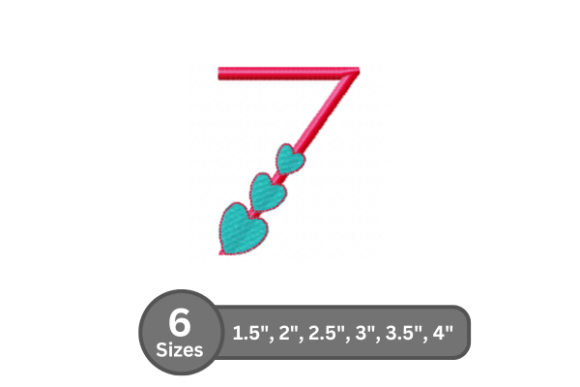
Elevating Textile Design with the Candy Heart Number -7 Embroidery Font
In the rapidly evolving landscape of textile customization, the intersection of digital precision and tactile craftsmanship defines the next generation of creative output. For professionals ranging from freelance embroiderers to large-scale apparel manufacturers, the selection of a digitized font is not merely an aesthetic choice; it is a critical component of workflow efficiency and brand identity. Among the emerging tools reshaping this industry is Candy Heart Number -7, a specialized fill stitch embroidery font that bridges the gap between whimsical design concepts and industrial-grade execution. This article explores how this specific resource fits into broader market trends, addresses changing consumer expectations, and empowers creators to deliver professional results.
The Evolution of Digitized Typography in Modern Embroidery
The transition from manual hand-stitching to computerized embroidery machines has fundamentally altered the capabilities of textile artists. However, as technology advanced, so did the demand for fonts that could maintain their integrity at various scales and on diverse materials. Traditional run-and-bounce fonts often lack the structural density required for high-visibility applications, while overly complex designs can lead to thread breakage or poor coverage. Candy Heart Number -7 emerges as a solution to these persistent challenges, offering a carefully digitized structure optimized for smooth stitching.
Unlike generic typefaces found in standard software libraries, this font is engineered specifically for the mechanics of modern embroidery machines. The "fill stitch" technique utilized in this design ensures that letters are solid, bold, and visually impactful, eliminating the gaps and inconsistencies that plague lower-quality digitization. For entrepreneurs building custom clothing lines or decorators creating bespoke home goods, the reliability of the stitch path is paramount. When a machine executes the Candy Heart Number -7 file, the result is a consistent texture that withstands wear and washing, meeting the rigorous standards expected by today's discerning consumers.
Bridging Aesthetics and Functionality
The name itself suggests a playful, retro-inspired aesthetic, yet the underlying technology is deeply rooted in practical application. The "Candy Heart" motif taps into a resurgence of nostalgic design elements, which have become increasingly popular in streetwear, lifestyle branding, and personalized gifts. Consumers are no longer satisfied with plain text; they seek typography that conveys personality and emotion. By integrating the visual charm of candy heart lettering with the technical robustness of a fill stitch, this font allows creators to capitalize on current design trends without compromising on quality.
Furthermore, the inclusion of multiple sizes within the Candy Heart Number -7 package addresses a significant pain point in the embroidery workflow. In many projects, a single font must be scaled up for a monogram on a tote bag or down for a subtle detail on a cuff. Poorly digitized fonts often distort when resized, leading to tangled threads or illegible characters. This font's versatility ensures that whether the application requires a large, bold statement or a delicate accent, the letterforms remain crisp and well-defined. This adaptability streamlines the production process, allowing freelancers to pivot quickly between different project requirements without needing to re-digitize or adjust settings extensively.
Market Trends Driving the Demand for Specialized Fonts
The broader creative economy is shifting towards hyper-personalization. As mass-produced items saturate the market, consumers are gravitating toward unique, customized products that tell a story. This shift has created a surge in demand for small businesses and independent makers who can offer tailored solutions. Whether it is a wedding planner seeking unique table runners, a corporate event coordinator needing branded swag, or a fashion designer launching a limited-edition collection, the ability to personalize quickly and beautifully is a competitive advantage.
Candy Heart Number -7 fits squarely into this trend by providing a tool that facilitates rapid personalization. The font's design is particularly effective for names, monograms, and short phrases, which are the backbone of the custom gift market. The bold stitched look adds a premium feel to everyday items like towels, t-shirts, and bags, elevating them from commodities to curated pieces. In an era where social media drives purchasing decisions, the visual appeal of a finished embroidered product is crucial. High-quality digitization ensures that the final image shared online matches the physical reality, fostering trust and encouraging word-of-mouth marketing.
Technological Integration and Workflow Efficiency
Beyond aesthetics, the adoption of specialized fonts like this one reflects a deeper change in professional workflows. Modern embroidery software and machines are capable of handling complex data sets, but they rely on clean, efficient files to operate smoothly. A poorly constructed font file can cause machine errors, wasted thread, and increased labor costs due to troubleshooting. The careful digitization of Candy Heart Number -7 minimizes these risks, ensuring that the machine stitches efficiently with minimal downtime.
For business owners, time is a currency. The ease of use associated with this font means that less time is spent on trial and error during the setup phase. Creators can focus more on design composition and client communication rather than technical adjustments. This efficiency is vital for scaling operations, allowing freelancers to take on more orders and enterprises to meet tight deadlines without sacrificing quality. As the industry moves towards automation and speed, having a library of reliable, pre-tested assets becomes a strategic necessity.
Practical Applications Across Industries
The versatility of Candy Heart Number -7 extends across various sectors, demonstrating its relevance beyond a single niche. In the fashion industry, designers are using it to add distinctive branding to denim jackets, hats, and accessories. The bold nature of the fill stitch makes it ideal for outerwear where visibility is key. Similarly, in the home décor sector, the font adds a touch of warmth and character to linens, pillows, and wall hangings. The textured appearance of the embroidery complements natural fabrics like cotton and linen, enhancing the overall sensory experience of the product.
Consider a scenario where a boutique hotel chain wants to refresh its amenities with personalized touches. Using this font, they could create towels and robes embroidered with guest names or room numbers in a style that feels both classic and inviting. The multiple size options allow for flexibility: a large version for the front of a robe and a smaller, subtler version for a pillowcase. This level of customization enhances the guest experience and reinforces the brand's commitment to detail.
Similarly, in the corporate gifting space, companies are moving away from generic logos and embracing more human-centric designs. A tech startup might use Candy Heart Number -7 to create fun, approachable patches for employee hoodies, signaling a culture that values creativity and individuality. The font's playful yet professional appearance strikes the right balance for brands looking to appear innovative without losing credibility.
Future-Proofing Creative Assets
As we look toward the future of textile manufacturing, the integration of digital assets will only become more seamless. The rise of on-demand printing and embroidery services means that digital files must be flawless and universally compatible. Fonts that are carefully digitized, like Candy Heart Number -7, are better positioned to thrive in this environment. They are less likely to encounter compatibility issues across different machine models and software platforms, ensuring longevity in a creator's toolkit.
Moreover, as sustainability becomes a priority, reducing waste through efficient stitching patterns is essential. Well-optimized fill stitches reduce thread consumption and minimize the need for rework, aligning with the eco-conscious values of modern consumers. By choosing high-quality digital resources, creators contribute to a more sustainable industry while delivering superior products.
Conclusion: Empowering the Next Generation of Makers
The journey from concept to creation in the world of embroidery is paved with choices that impact both the final product and the business behind it. Candy Heart Number -7 represents a convergence of artistic vision and technical excellence, offering a tool that meets the demands of today's dynamic market. Its ability to deliver smooth stitching, professional results, and versatile sizing makes it an invaluable asset for anyone involved in textile customization.
Whether you are a seasoned entrepreneur scaling your operation or a passionate enthusiast exploring new creative avenues, the right tools make all the difference. By adopting resources that prioritize quality and efficiency, you position yourself to meet the evolving needs of your audience. The bold, classic look of this font not only enhances the visual appeal of your projects but also signals a commitment to craftsmanship. In a world increasingly driven by digital experiences, the tangible beauty of a perfectly stitched letter remains a powerful way to connect, communicate, and create lasting impressions.