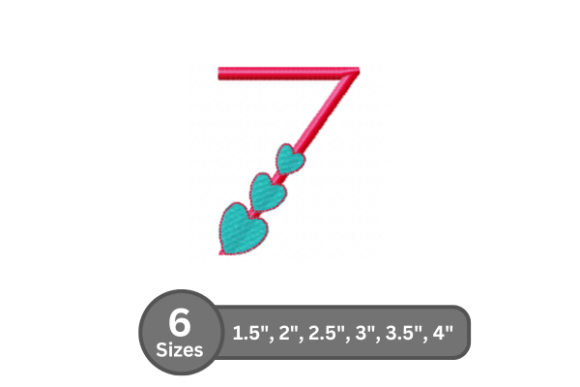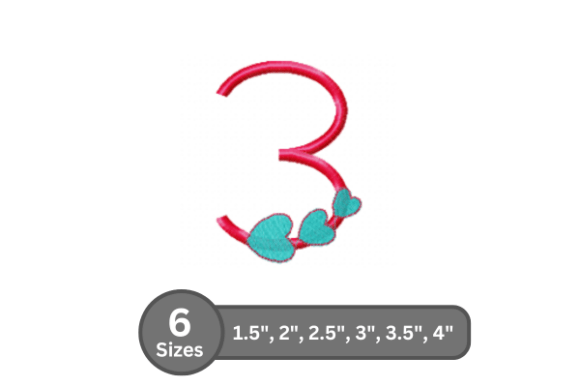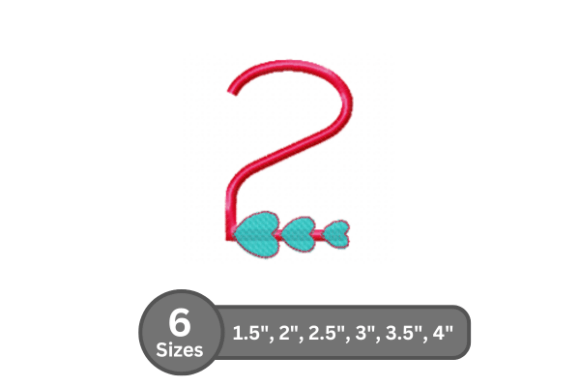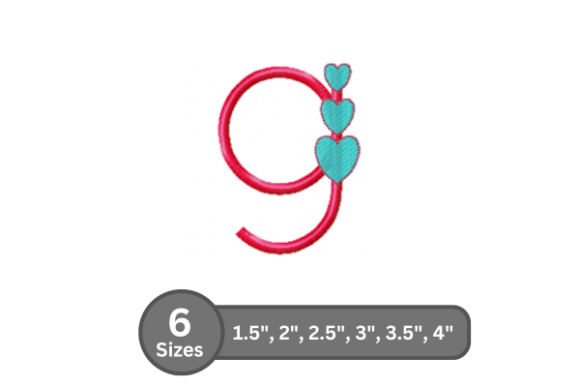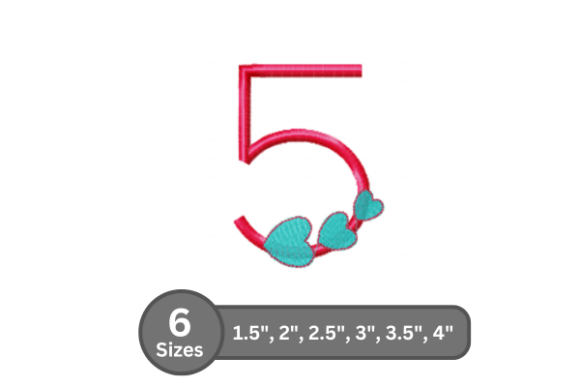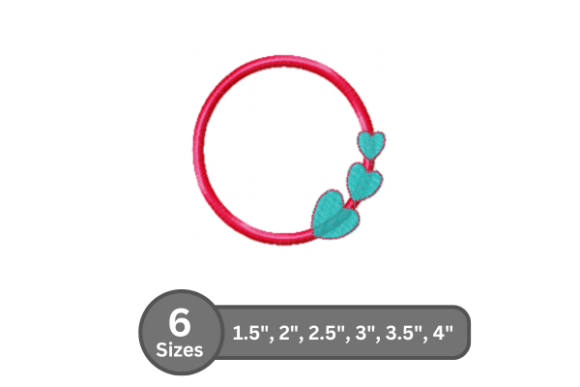
Candy Heart Number -0: A Bold Embroidery Font for Textile Design
In the world of textile customization, the difference between a generic transfer and a truly professional finish often comes down to the stitch definition. Candy Heart Number -0 is not just another digital typeface; it is a specialized embroidery asset engineered to bridge the gap between playful aesthetics and structural integrity. When you are working with fabric, the medium dictates the message. This fill stitch font has been carefully digitized to ensure smooth stitching, eliminating the jagged edges and thread tension issues that plague many amateur designs. Whether you are a small business owner branding tote bags or a hobbyist personalizing home décor, this font offers a classic, bold stitched look that stands up to scrutiny.
The Visual Personality of a Digitized Typeface
Typography in embroidery operates under different rules than screen design. A serif font that looks elegant on a monitor can become a tangled mess of loose threads if not properly converted. Candy Heart Number -0 addresses this by utilizing a robust fill stitch architecture. Visually, it retains the charm of a candy heart—rounded, approachable, and nostalgic—while maintaining the geometric stability required for machine embroidery. The character set includes numbers and letters that feel substantial without being heavy-handed.
The appeal lies in its versatility. Unlike a delicate script font or a thin handwritten font which requires high thread counts and precise tension to avoid gaps, this typeface is built for reliability. The strokes are wide enough to allow for consistent satin or fill coverage, ensuring that the final product looks crisp even from a distance. For designers looking to add a touch of whimsy to their brand identity without sacrificing legibility, this creative font provides a perfect balance. It brings a sense of warmth and personality that stark sans serif font options often lack in textile applications.
Strategic Applications Across Industries
The utility of Candy Heart Number -0 extends far beyond simple name tags. Its digitized nature makes it an invaluable tool for various sectors within the creative economy. In packaging design, particularly for boutique goods like artisanal soaps or gift baskets, embroidered labels can elevate perceived value significantly. The tactile quality of the stitches adds a layer of luxury that printed labels cannot replicate.
- Fashion and Apparel: Perfect for monograms on denim jackets, personalized initials on hoodies, or bold statement pieces on canvas sneakers.
- Home Décor: Ideal for adding names to throw pillows, towels, and table runners where durability and washability are paramount.
- Event Branding: Great for creating custom badges, aprons for catering staff, or commemorative patches for corporate retreats.
- Merchandise: An excellent choice for entrepreneurs selling branded merchandise, as the bold style ensures high visibility on social media graphics and physical products alike.
When used in editorial design contexts, such as fabric swatches for fashion magazines or textile showcases, the font demonstrates how modern typography can be translated into physical form. It serves as a prime example of how a commercial font can adapt to diverse materials while retaining its core aesthetic. The ability to scale each letter in multiple sizes means you can use it for a tiny, subtle detail on a cuff or a large, dominant feature on a tote bag.
Impact on Readability and Brand Perception
In branding, consistency is key. Using a typeface that performs poorly across different mediums can dilute your message. Candy Heart Number -0 influences visual hierarchy by offering a distinct texture that commands attention. Because it is designed specifically for embroidery machines, it avoids the common pitfall of "pixelated" text that occurs when standard fonts are forced into a stitch format. This results in superior readability, which is crucial for audience engagement.
Consider the psychology of the consumer. A well-executed embroidery project signals quality and care. When a customer sees a logo or name stitched with precision using a premium font, it subconsciously reinforces the professionalism of the brand. Conversely, a poorly digitized font with uneven fills can make a product look cheap. By choosing a resource that prioritizes smooth stitching, you are investing in the perception of your work. This is particularly important for logo design elements that need to translate from digital screens to physical garments.
The bold nature of the font also aids in recognition. In a crowded market, distinctive textures help a brand stand out. While many competitors might rely on flat prints, the dimensional aspect of this fill stitch font creates a unique tactile experience. This engagement factor is vital for marketing strategies that rely on word-of-mouth and visual impact on platforms like Instagram or Pinterest.
Practical Guidance for Implementation
Selecting the right font for a project requires more than just liking the look; it demands an understanding of technical constraints. When evaluating Candy Heart Number -0 for your next project, start by reviewing the included styles and size variations. Ensure that the smallest size you intend to use still maintains clear character definition. In embroidery, reducing a font too much can cause stitches to overlap or merge, ruining the design.
Testing is non-negotiable. Before committing to a full production run, create a test sample on a scrap piece of the actual fabric you plan to use. Different materials—such as stretchy jersey versus stiff canvas—interact with thread differently. Observe how the fill stitch lays down and adjust your hoop tension if necessary. This step ensures that the final result matches your expectations.
Furthermore, consider font pairing if your design requires multiple typefaces. While Candy Heart Number -0 works beautifully as a standalone display font, it can also be paired with a clean sans-serif for body text in mixed-media projects. However, keep in mind that mixing complex embroidery fonts with print text requires careful planning to maintain visual harmony.
Finally, always verify the licensing terms. As a commercial font, Candy Heart Number -0 is intended for business use, but specific restrictions may apply regarding resale rights or unlimited usage. Understanding these details protects your business and ensures you are compliant with intellectual property laws. By treating this design asset with the respect it deserves, you unlock its full potential to transform ordinary textiles into extraordinary, personalized masterpieces.