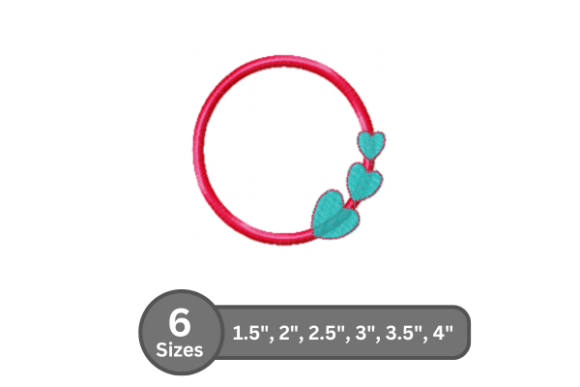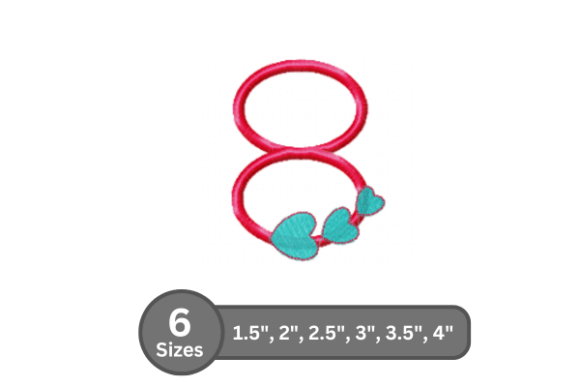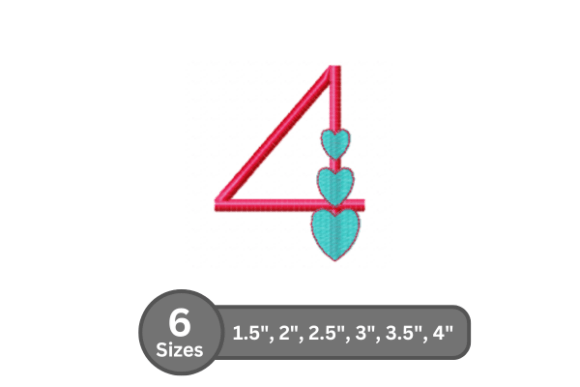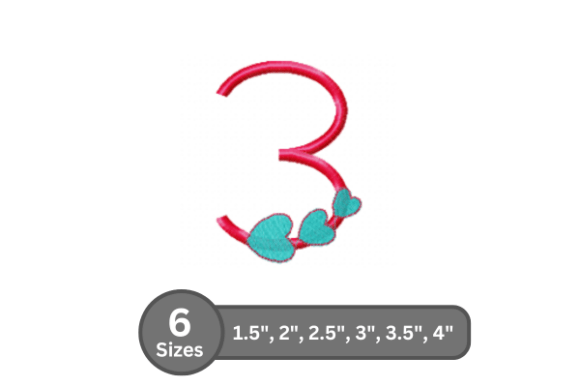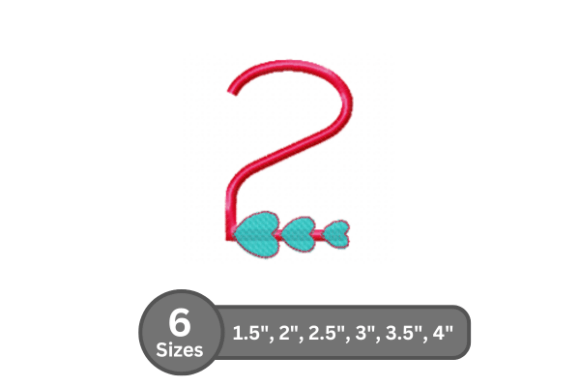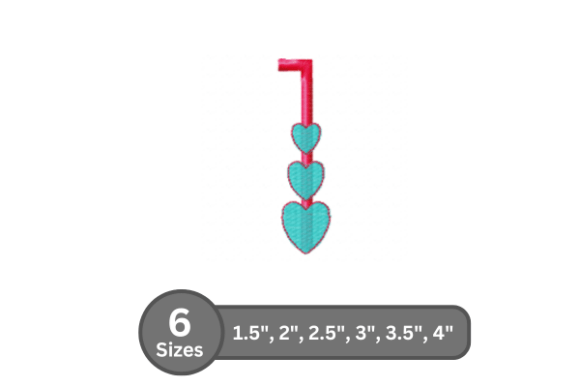
Candy Heart Number -1: A Practical Evaluation
In the realm of digital embroidery, selecting the right font is a critical decision that impacts both the aesthetic quality and the technical success of a project. The Candy Heart Number -1 fill stitch embroidery font represents a specific category of design files intended for machine embroidery. Unlike simple outline fonts or single-line scripts, this type of digitized asset is constructed to create solid, textured lettering suitable for various textile applications. Understanding the mechanics, limitations, and ideal use cases of this font allows crafters and professionals to make informed choices before committing to a purchase or a production run.
Understanding the Digitization Behind Candy Heart Number -1
The term "digitized" refers to the process of converting vector graphics into a sequence of instructions that an embroidery machine can read. For the Candy Heart Number -1, this process involves creating a dense fill pattern within the boundaries of each character. This fill stitch technique differs significantly from satin stitching, which uses parallel lines to create a smooth, glossy edge. Instead, fill stitches utilize a zigzag or meandering pattern to cover a larger area, providing a bold, classic look that resembles traditional hand-stitched monograms.
This font is specifically engineered to ensure smooth stitching, meaning the digitizer has likely accounted for pull compensation, underlay structures, and stitch direction to prevent common issues like puckering or thread bunching. When a user downloads this file, they are acquiring a set of data points that dictate how the needle moves across the fabric to form letters and numbers. The inclusion of multiple sizes for each letter adds a layer of versatility, allowing the same design file to be scaled for different projects without losing structural integrity, provided the scaling remains within the recommended parameters of the original digitization.
Reasons to Consider This Embroidery Font
Several factors might lead a crafter or business owner to evaluate the Candy Heart Number -1 for their workflow. The primary driver is often the desire for a professional finish on personalization projects. Because the font is designed with fill stitches, it offers a substantial presence on the fabric. This makes it particularly effective for items where visibility and durability are paramount, such as clothing labels, tote bags, or kitchen towels.
Furthermore, the versatility of the multi-size options addresses a common pain point in embroidery: scaling. Many free or low-quality fonts distort when resized, resulting in gaps in the fill or uneven edges. With this font, the ability to adjust letter size while maintaining the density of the stitch pattern allows for greater creative freedom. Users can create large, statement names for home décor or smaller, intricate monograms for delicate garments using the same core asset. Additionally, the "classic and bold" aesthetic aligns well with trends favoring vintage-inspired or rustic designs, making it a practical choice for brands targeting those specific markets.
Benefits and Tradeoffs in Production
Evaluating any embroidery asset requires a balanced view of its advantages against potential drawbacks. The most significant benefit of the Candy Heart Number -1 is the reliability of the stitch-out. Professional digitization minimizes the need for manual adjustments in the machine software, saving time during the setup phase. The fill stitch construction also tends to be more forgiving of minor tension variations compared to fine satin stitches, which can break easily if the machine settings are not perfect.
However, there are tradeoffs to consider. Fill stitch fonts generally consume more thread than outline or script fonts. For high-volume production, this increased material cost can impact profit margins. Additionally, fill stitches take longer to embroider because the machine must traverse the entire interior of the letter repeatedly. If speed is the primary metric for a commercial operation, a simpler font style might be more efficient.
Another consideration is fabric compatibility. While the font is versatile, the density of the fill stitch may cause puckering on very lightweight or stretchy fabrics if the stabilizer is not chosen correctly. It is essential to test the design on the specific material intended for the final product. On heavy canvases or terry cloth towels, the weight of the fill stitch is less of an issue and often enhances the texture, but on thin silk or jersey knit, the bulk could distort the garment's drape.
Ideal Scenarios for Use
The Candy Heart Number -1 is a strong fit for specific types of projects where texture and legibility are priorities. It excels in:
- Home Décor Items: Throw pillows, table runners, and napkins benefit from the boldness of fill stitches, which stand out against woven textures.
- Apparel Branding: T-shirts, hoodies, and denim jackets often require durable logos or names that will withstand repeated washing. The density of the fill stitch provides this longevity.
- Personalized Gifts: Towels, bathrobes, and aprons are common recipients of monograms. The classic look of this font elevates these everyday items into thoughtful gifts.
- Corporate Uniforms: For businesses needing clear identification on workwear, the legibility of a well-digitized fill font ensures that names and titles remain readable over time.
When Alternatives May Be Preferable
Despite its strengths, the Candy Heart Number -1 is not the optimal choice for every situation. If a project requires a delicate, elegant appearance, such as wedding invitations embroidered on lace or formal wear accents, a satin stitch or fine script font would likely yield better results. Fill stitches can appear too heavy or blocky for these refined applications.
Similarly, if the project involves extremely small text, such as sizing tags or discreet branding on the inside of a collar, a fill stitch font may be impractical. At very small scales, the density of the fill can obscure details, and the number of stitches required might exceed the machine's capabilities for fine detail. In these instances, a single-line or outline font is often superior.
Cost-conscious hobbyists working with limited thread supplies should also weigh the consumption rate. If the goal is to maximize the output from a single spool of thread, a font with less coverage area would be more economical. Finally, if the target fabric is highly unstable or prone to stretching, the rigidity of a full fill stitch might be problematic without extensive hooping and stabilization techniques, making a lighter application method a safer alternative.
Decision-Making Insights for Buyers
To determine if the Candy Heart Number -1 aligns with your goals, begin by assessing the end-use of your embroidery. Ask whether the visual weight of a bold, filled letter matches the aesthetic you are trying to achieve. Next, consider the technical constraints of your equipment and materials. Does your machine handle dense fills efficiently? Do you have access to appropriate stabilizers for the fabrics you plan to use?
It is also advisable to review the file specifications provided by the seller. Ensure that the available sizes meet your specific dimensional requirements. While the font offers multiple sizes, checking the stitch count for the largest and smallest versions can help estimate production time and thread usage accurately. Finally, if possible, request a sample or preview image of the font stitched on a similar fabric to verify the quality of the digitization before making a financial commitment. By carefully weighing these factors, users can decide if this font is a valuable addition to their digital library or if another option better suits their specific needs.